




If you are a fan of Greek mythology, the word “chimera” may be familiar to you. In this context, it refers to a hybridized lion that exhales fire and has a second goat head emerging from its upper thoracic vertebrae. Oh, and let’s not forget that a large and menacing serpent has replaced the lion’s tail. Two horns protrude from its mane, and it barks like a dog. When used in a literary context, it can refer to anything sinister, unimaginable, unthinkable, or even mesmerizing (personally, we lean toward ‘greatly disturbing’!).

For a pharmaceutical chemist, however, the word has a different meaning. In this context, a chimeric molecule is an engineered drug made by linking distinct compounds into a new chemical entity, combining or enhancing the functions of its components to achieve a specific therapeutic goal. An example is linking a monoclonal antibody to a cytotoxic drug that targets and destroys cancer cells.
Ask a biologist about the meaning of chimera, and they’d likely describe a lifeform, whether flora or fauna, having cell lines of completely different forms. In this case, it’s as if somehow different species merged to form a hybridized creature. An example is when a male deep-sea anglerfish embeds itself in the female to form a single organism. Maybe the Greeks were thinking like contemporary biologists!
Military wounded who received blood transfusions
But chimeras need not be dramatic hybrids of different species, engineered molecules, or divergent cell lines. Sometimes the foreign presence is far more subtle — a small population of cells from another individual, quietly persisting within a host who remains entirely unaware. This is microchimerism: a low-level genetic coexistence, hidden in plain sight within the bloodstream. And as it happens, one of the most direct pathways for foreign cells to enter the body is through something medicine has relied on for decades — a blood transfusion.
It took 60 years after our modern blood banking industry was founded, but in 1977, investigators first reported that, following a blood transfusion, donor white cells proliferated in some recipients, then disappeared over about 10 days. Fast forward to the beginning of the 21st Century, and investigators discovered that up to 15% of those who received blood after traumatic injury had persistent survival of the donor’s white cells, a phenomenon they termed “transfusion-associated microchimerism,” designated TA-MC. As more observations of the phenomenon were reported, it became clear that lineages of donor white cells often persisted in the transfusion recipient, and in some, proliferated over the post-transfusion years. This strongly suggested that new cell lines had engrafted (perhaps “seeded” would be apropos?) into the recipient. Different cell lines, different DNA, occupying the same person.
While researching papers for another topic, we came across an interesting one that piqued our interest regarding blood administration. Published in the high-impact journal Transfusion, researchers assessed if TA-MC persisted beyond a couple of years, pursuing the question in an interesting way.
Subjects were recruited following a call for volunteers printed in an issue of Disabled American Veterans’ magazine, with a circulation of over 1.75 million. It asked readers who had received a blood transfusion in World War II, the Korean War, or the Vietnam War because of injuries they had received to consider participating in a study. They excluded those who had undergone a more recent organ or stem cell transplantation or a blood transfusion to avoid confounding influences.
Blood and medical histories were obtained in 163 (all male) combat veterans, all over the age of 60 at the time of the study, who met the inclusion criteria, and a control group, matched for war service, age, and absence of ever receiving a transfusion. We won’t go into the sophisticated technologies used (e.g., polymerase chain reaction assay, nucleic acid testing) or details of the statistical analysis. What was found was that transfusion in this group of combat-injured men commonly resulted in microchimerism (MC) persisting for 60 years or more, demonstrating that the donor’s DNA was, in fact, proliferating in the recipient for decades.
Leukoreduction to the rescue? Maybe not!
This got us to thinking about the many times we’ve administered leukoreduced blood for one reason or another. Recall that this process removes as many white blood cells (leukocytes) as possible, decreasing transfusion reactions such as TRALI and lessening the risk of transmitting cytomegalovirus. If white cells are the culprits, then surely leukoreduction would mitigate against MC. We went looking in the literature and came across a study, also in Transfusion, that unfortunately demonstrated persistent MC in civilian trauma victims transfused with leukoreduced blood.
What about transfusion in children?
Once again, we drilled down and found a 2024 study in children who had been transfused with leukoreduced, gamma-irradiated blood. The authors lament that pediatric transfusions are rare, that a significant volume of blood is required to test for MC, and that research in children faces logistical hurdles. These greatly complicate its study. While they detected MC in several patients, they urged more studies to define the risks. But a question remains: are very young children particularly vulnerable to the consequences of a foreign DNA populating their bodies?
What is the risk of persistent microchimerism? Much ado about nothing?
Recall that during pregnancy, maternal and fetal blood mix. A bidirectional movement of cells from the mother, the fetus, and the placenta results in what’s termed trans-migratory fetal cells (TMFC) that can be detected for decades throughout the body of the mother following normal birth. This is what is known as “natural” MC, as it results from the course of a normal pregnancy. MC in this context might prove to be either deleterious or beneficial.
Deleterious effects might include a predisposition to future preeclampsia, possibly some cancers, and autoimmune disorders (recall, 80% of patients with autoimmune disorders are female). Potential benefits might include an empowered immune system, protection against some cancers, and enhanced repair of injured tissues. We lean towards the latter, as it may help explain the longer life expectancy of females!
But what may be more onerous is the seeding of foreign DNA from donor to recipient, which is known to disseminate throughout the body’s tissues and organs. Iatrogenic seeding might occur with transfusion, stem cell infusion, and organ transplantation. From the literature we found, largely focusing on maternal/fetal MC, the long-term effects are uncertain and difficult to study. Hypotheses range from being beneficial to benign to harmful. The most relevant harms involve the immune system, particularly autoimmune disorders and increased cancer risk.
Decision making
Should we consider the potential impact of microchimerism when deciding whether to transfuse blood? Should the risks of MC that might be associated with transfusion be part of the blood consent with the patient? We think not to both, any more than we should be concerned that if there are space aliens out there, they might occupy Earth and hold us hostage (or worse!).
Our current knowledge is nascent at best and awaits further refinement for research and clinical observation to provide decision-making recommendations; a process likely to take years to unfold. For those who have received an iatrogenic seeding that persists as MC, at this point, we are cautiously optimistic that their “hybridization” is largely benign, with little suggesting proof of any seriously deleterious effects. Stay tuned, we will continue to track the evidence stream as it emerges!

The NBCRNA is increasing the passing standard for the National Certification Exam (NCE), effective July 1, 2026. In a nutshell, this means the bar required to pass the exam will increase.
Before you spiral, take a breath. We’ll break down why it’s happening and what you need to do to ensure success when you sit for the most important exam of your career.
What’s Changing (And What’s Staying the Same)?
Let’s start with the facts. The NBCRNA is raising the bar you need to clear to walk away with your certification.
Aside from that, nothing else is changing. It’s the same content outline, the same format, and the same number and type of questions. And no, the item bank is not being rewritten to make all the questions harder.
Think of it this way: The finish line is moving, but the race course stays the same.
Why Is the NBCRNA Increasing the NCE Passing Standard?
This is the question we’re hearing most, so let’s address it head-on.
If we look at NCE data from the past decade, it’s clear that the NBCRNA has targeted a first-time pass rate in the low to mid 80% range. However, in the past two years the first-time pass rate crept ~ 90%. It’s important to understand that score drift is a normal phenomenon that occurs with standardized exams.
The NBCRNA conducts routine standard setting reviews every four to five years, which is a requirement set by the National Commission for Certifying Agencies (NCCA) and aligned with national standards for educational and psychological testing. The frequency of these reviews is specifically tied to how quickly a profession evolves. And if there’s one thing anesthesia has done over the past several years, it’s evolve.
The purpose, in the NBCRNA’s own words, is to ensure that every individual who passes the NCE possesses the essential knowledge, skills, and abilities for safe, entry-level nurse anesthesia practice. This is about patient safety. Full stop.
How Is the New Passing Standard Being Set?
The new passing standard is the result of a structured, expert-driven process designed to protect your future patients.
The NBCRNA uses a rigorous process called standard setting, which involves assembling a diverse panel of subject matter experts (SMEs) that includes practicing CRNAs and educators who reflect the full breadth of the profession across geography, practice setting, gender, and experience level. These are your colleagues, not bureaucrats sitting in a room making arbitrary decisions.
The panel uses two well-established psychometric methods (the Modified Angoff Method and Hofstee Method), which ultimately results in a passing score recommendation that is then reviewed, adjusted if necessary, and ratified by the NBCRNA. The bottom line is that this is a transparent, evidence-based process that uses a common methodology employed by credentialing bodies across medicine, nursing, and allied health.
What This Means for You
If you were already preparing to pass the NCE with a strong, well-rounded understanding of anesthesia content, this change shouldn’t derail you. Solid preparation has always been the answer, and it still is.
But if you were hoping to squeak by? This announcement is a strong call to action for you to level up your preparation. A higher passing standard means the margin for your weak content areas gets smaller. It means you can’t afford to punt on pharmacology because physiology is your strength. It means understanding concepts deeply, not simply recognizing the right answer when you see it. Comprehensive, concept-driven studying is the differentiator.
What Should You Do Right Now?
Testing before July 1, 2026: Don’t get complacent. The current standard still demands serious preparation. Stay the course, and don’t take your foot off the gas because you think you’re under the old passing standard.
Testing on or after July 1, 2026: Put a plan in place sooner rather than later. The lead time you build is one of the strongest predictors of success. And with the bar going up, every week counts.
APEX has everything you need to succeed:
- APEX Student Review Course: Built around the NCE content outline, this course uses an interactive format backed by learning science that ensures you master what you’re expected to know for CRNA boards.
- NCE/SEE SmartBank: Studying what you already know feels productive. It isn’t. The NCE/ SEE SmartBank, powered by TrueLearn, gives you 1,250+ board-style questions mapped to the NCE content outline. The Performance Dashboard shows exactly where you’re strong, where you’re bleeding points, and how you stack up against students nationwide. Let the data tell you what to study next.
- Boards Bootcamp: Our two-day intensive is built on case-based, interleaved practice that connects basic sciences to real clinical decision-making. It’s not a passive lecture. It’s an active, application-driven experience that layers onto your course prep and changes how you think. With the bar going up, that’s exactly what you need.
At APEX, we’ve always believed that the best way to pass the NCE isn’t to aim for the minimum. Rather, it’s to prepare so thoroughly that the cut score becomes irrelevant. That’s the mindset that produces great CRNAs.
The bar is going up. Let’s rise with it.

CRNAs must complete 60 Class A (MAC Ed) credits, 40 Class B credits, and 13 quarterly MAC Check assessments during each four-year certification cycle. Class A credits must be from accredited, assessment-based continuing education activities relevant to anesthesia practice. While CE credits and CEUs are often used interchangeably, CRNAs should verify courses provide approved CE credits to ensure they meet NBCRNA requirements.
The continuing education (CE) requirements for Certified Registered Nurse Anesthetists (CRNAs) are a frequent source of confusion, especially when terms such as CE credits and continuing education units (CEUs) are used interchangeably. Rest assured, we’re here to provide insight into the differences between CE and CEUs, what actually counts toward Class A credits, and how to stay compliant while fulfilling your CRNA recertification requirements.
What are Class A Credits for CRNAs?
Class A (now MAC Ed) credits are one of the three essential components CRNAs must complete to maintain certification for the Maintaining Anesthesia Certification (MAC) program.
Class A credits are frequently obtained through completing CRNA continuing education courses. These courses help keep CRNAs current with best practices in anesthesia, improve clinical judgment, and prepare them for the MAC Check, the National Board of Certification and Recertification for Nurse Anesthetists (NBCRNA)’s longitudinal assessment completed during 13 quarters of each four-year MAC cycle.
CRNA Continuing Education Requirements
Per the four-year MAC program cycle, CRNAs must:
- Earn 60 Class A/MAC Ed CE credits
- Earn 40 Class B/MAC Dev credits
- Complete 13 quarterly knowledge checks, known as the MAC Check
MAC Checks are completed directly through the NBCRNA platform and are not offered through CE providers.
Excess CRNA Class A credits may be applied to Class B requirements. CRNAs receive onboarding information after becoming newly certified and are notified via email when their MAC program quarter starts.
What Counts Toward Class A Continuing Education
According to the NBCRNA, Class A/MAC Ed CE activities must receive prior approval from an accredited organization, include an assessment, and be relevant to nurse anesthesia practice.
CE vs. CEU – What CRNAs Should Know
CEUs and CE credits are frequently used interchangeably by CRNAs and their CE providers, but they are not identical. The American Association of Nurse Anesthetists (AANA) uses CE credits to monitor CRNAs’ continuing education requirements accurately and precisely.
CRNA CE courses that advertise CEUs rather than CE credits should be reviewed carefully to ensure they meet MAC Ed CE requirements. Verify that your courses specify the number of CE credits you’ll earn and have been previously approved by an accredited organization recognized by the NBCRNA, such as the AANA, American Nurses Credentialing Center (ANCC), or Accreditation Council for Continuing Medical Education (ACCME).
How to Fulfill Class A Credit Requirements
CRNA Class A credits can be earned by completing online courses, webinars, and/or workshops. Remember, these activities must have prior approval from the AANA, ANCC, or ACCME.
Completing Multiple Courses Over Time
CRNAs may choose to complete multiple approved CE courses to earn their required credits over the four-year span.
Using a Comprehensive, Structured Course
CRNAs can also opt for a single, structured course that allows them to efficiently earn all 60 Class A credits required for the MAC program.
Back to Basics, for example, is an all-in-one course that helps you fulfill your Class A requirements while reinforcing core anesthesia concepts. Preapproved by the AANA, Back to Basics is designed for flexible, self-paced review over 2 years. Try the course demo from APEX Anesthesia today.
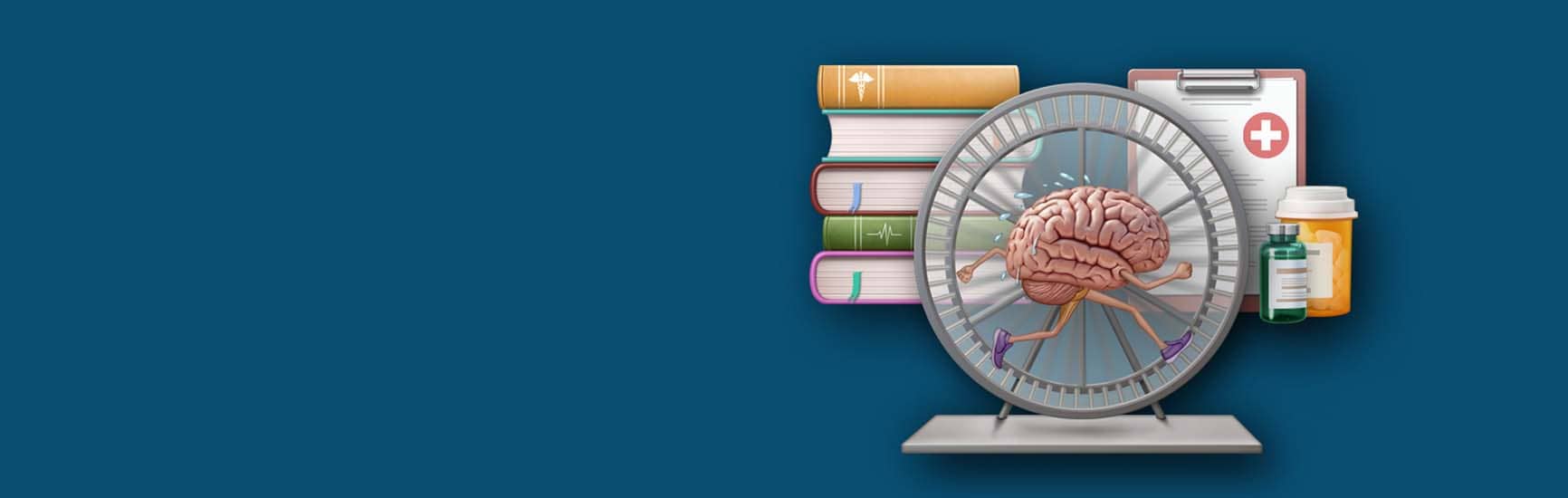
Article Summary: Museum fatigue illustrates how sustained mental effort leads to cognitive exhaustion, a phenomenon also common in high-stakes healthcare settings. Emerging research challenges older theories of mental fatigue, pointing instead to the buildup of glutamate in the prefrontal cortex during intense thinking. Although glutamate supports learning and memory, excess levels impair decision-making. Rest and sleep restore balance, suggesting cognitive fatigue serves as a biological warning to pause and recover.
Ever been to a museum of one sort or another, and within 30 minutes or less, you are feeling mentally worn out, even sleepy, despite ostensibly being enthusiastic for the visit and well-rested? The phenomenon of museum fatigue is the real deal, first described in 1916 by Benjamin Gilman, then curator of the Boston Museum of Fine Arts. Using scientific methods, he revealed what amounts to progressive brain fatigue among museum-goers, as the cognitive strain of viewing and contemplating an unending number of items on display takes a toll. Interestingly, a visit to the zoo can have the same effect!
The same museum, 60 years later, adopted an Occam’s Razor approach to this type of metal fatigue, actively encouraging visitors to participate in its “Please Be Seated” campaign. Signage throughout the museum urged visitors to have a seat on the many strategically positioned benches. Contemporary strategies include incorporating cafes and gift shops within the museum’s footprint, utilizing creative lighting, employing concise language in posted exhibit descriptions, and even selecting wall colors that visually stimulate rather than calm visitors.
Cognitive fatigue: Allied but different from museum fatigue
While we will focus on the cognitive, or mental, fatigue a CRNA might experience during patient care activities, we should also note the potential for anesthesia administration to impair long-term cognition in those who entrust us with their care. Abundant evidence reveals an association between surgery under general anesthesia and subsequent short- and long-term cognitive function in a subset of patients. Debate abounds over whether this is attributable to the drugs we use, to other patient- and procedure-specific factors, or to a complex interaction. Interestingly, regional anesthesia may not be devoid of cognitive effects.
We’re all familiar with cognitive fatigue, because we’ve likely experienced it at some point, given the complex, high-pressure, and stressful nature of anesthesia care. It is a well-described phenomenon. We also recognize that a demonstrable limitation of the human brain, rendering it inferior to computers, is its susceptibility to fatigue.
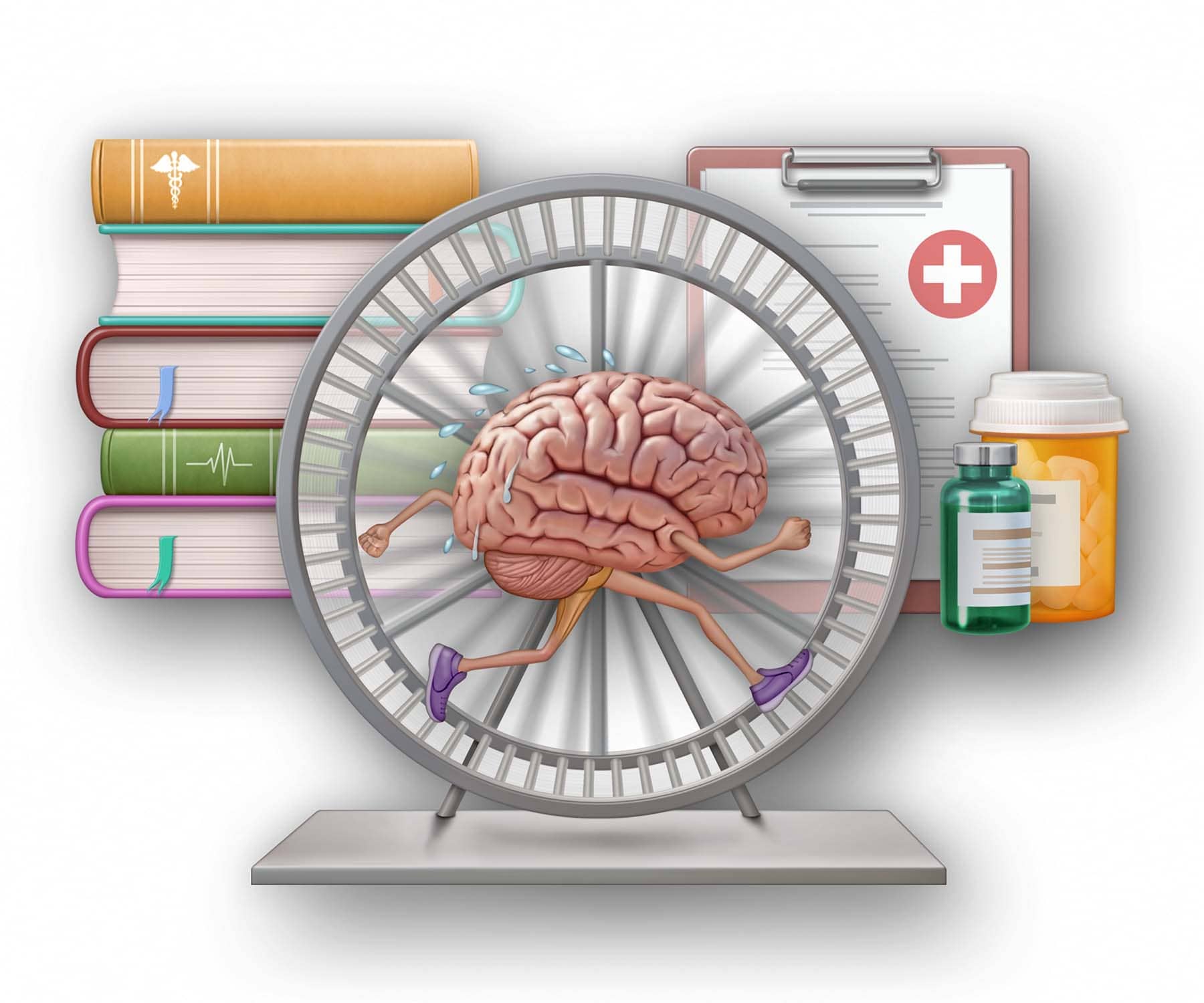
We totally get the basis of exercise fatigue. Depletion of substrates, accumulation of lactic acid and reactive oxygen species, electrolyte imbalance, and dehydration all contribute. Sleep, essential to life, remains one of the mysteries of our physiology, and currently, no definitive comprehensive explanation exists, though theories abound. But quite apart from these is cognitive fatigue, a phenomenon that has long intrigued and baffled us. Why should thinking be fatiguing or exhausting? Does the brain wear out?
Theories behind mental fatigue
A new paper in Trends in Cognitive Sciences challenges the two prevailing theories of cognitive fatigue. One suggests it is due to a depletion of substrates, like glucose and ketone bodies. The second describes it as a trick the brain uses to distract us from an uncomfortable or demanding mental task. Think of it this way: you are working through yet another online course to maintain credentialing at your facility. It feels mentally exhausting. But suddenly enlivening you is stopping that onerous task and getting on with something like streaming a movie you’ve wanted to see, or heading out with friends to play volleyball, maybe going out to eat, taking a bike ride, or even going shopping! Is the brain sending distracting signals that it is time to play and not work? What is going on here, and what is the actual mechanism of cognitive fatigue?
The lead investigator of the new paper, Mathias Pessiglione, noted that when we are cognitively tasked, there is often a preference for “low-cost” options that provide the opportunity to experience a reward with very low associated cognitive effort. His team, using sophisticated methods, suggests that there is a functional alteration in the brain substance itself due to the accumulation of noxious compounds. As these compounds accumulate, the brain signals us to moderate, or even cease, intense cognitive activity.
Understanding the brain’s biochemistry
We are aware of the overwhelming superiority of machine problem-solving in terms of speed, stamina, and resistance to distraction compared to that of humans. Shedding light on the brain’s stamina and how understanding its biochemistry might explain cognitive fatigue necessitated that Pessiglione’s team use sophisticated tools. These included magnetic resonance imaging (MRI), pupil dilation (pupillometry), and magnetic resonance spectroscopy (MRS). They endeavored to avoid the pitfalls of self-reported fatigue measured with a visual analogue scale, as mental fatigue can easily be confused with other states such as demotivation, frustration, boredom, and sleepiness. Using techniques like MRI and MRS provides a real-time, quantitative assessment of brain biochemistry.
Let’s get to what the researchers found. After assigning subjects to perform tasks requiring either intense mental effort or relatively easy ones, all were observed for a day. High levels of a neurotransmitter were found in those performing the more challenging mental tasks, along with indicators of cognitive fatigue, suggesting that an accumulating metabolic burden may play a role.
Many subjects in the high-intensity mental task group experienced significant pupil constriction, and they opted to engage in activities that provided immediate gratification to relieve their cognitive fatigue. The low-intensity group did not experience these phenomena. While the brain neurotransmitter level in the first group was very high, it was low in the second, low-intensity group, which did not experience what we might refer to as “burnout.” Pessiligone’s team reported that the concentration of a key neurotransmitter in the prefrontal cortex increased with intense mental tasking and was strongly associated with resulting mental fatigue.
They further surmised that, like our muscles, the brain needs a break during or after intense thinking. And what is the toxic metabolite that appears to be the culprit? It’s glutamate, and Pessiglione’s team suggests the brain needs time to clear itself of the compound.
What is glutamate, and what does it do?
In caring for patients, CRNAs become the caretakers of the patient’s neurotransmitters. Think of drugs that work on the GABA receptor, causing neuroinhibition in the brain. Contrast that with its competitor, glutamate, our major excitatory neurotransmitter in the brain. The intricate balance of these molecules and others optimizes human performance throughout the day. Glutamate, an amino acid, is essential for forming memories, regulating mood, and cognitive processing of information. But its excessive accumulation has been shown to be toxic in previous studies.
Pessigliome’s team contributes to our understanding of learning, thinking, and why our brains may “tire,” offering some intriguing insights and speculations about how we might avoid mental fatigue. There is even the possibility that the cognitive fatigue arising from glutamate accumulation in the prefrontal cortex might help prevent burnout, acting as an early warning system to seek relief before it becomes irreconcilable.
Glutamate is metabolized, and its levels in the brain’s synapses return to normal with rest, a relaxing or fun activity, or sleep. Accumulated glutamate might impair our decision-making when it reaches the level of mental fatigue. It seems reasonable that when we are offered a short break or a lunch/dinner break at work, we should take advantage of that downtime to truly relax as much as possible and avoid imposing mentally challenging activities on ourselves.
The researchers did not suggest pharmacologically counteracting the cognitive fatigue that may be induced by rising glutamate levels, which their study did not explore. What they did was advise rest and sleep. Their next step in the research process is to delineate how age, comorbidities, nutrition, sex, and circadian factors might serve as risk factors for glutamate concentration in the prefrontal cortex.
Good science can address important questions in meaningful ways. Likewise, it can generate questions that need answers! Pessigliome’s study does both. While identifying the role of glutamate in producing cognitive fatigue, other compelling questions emerged. Consider a few of them:
- Are there common metabolic denominators among physical fatigue, chronic fatigue, and cognitive fatigue?
- Can the brain, like a muscle, be “trained” to make it less vulnerable to fatigue?
- Are there ways to accelerate recovery from cognitive fatigue?
- What factors, genetic or otherwise, make some of us more resistant to cognitive fatigue than others?
- What are the best tools, at home or work, to measure cognitive fatigue?
There’s much to consider about cognitive fatigue and the monster it can become when intense thinking is essential. While we are not suggesting you take this one to your employer, there is a growing body of literature about the value of “napping rooms” for healthcare personnel working long shifts. At least for now, take a break and give your brain some rest!
We understand the challenge of finding and earning CRNA CE credits while also maintaining a busy schedule. Whenever you’re ready, we have a course that fits what you need to meet the NBCRNA MAC program requirements.

The journal’s name may conjure up an image of a less-than-stellar publication. Research Notes of the American Astronomical Society may sound like a collection of off-the-cuff ideas or notations. Don’t let the title fool you; it is one of the top journals in astronomy and astrophysics. Published in that journal by Scott Sheppard et al. is a detailed account of his workhorse research effort that added 62 new moons to Saturn, bringing the total to 146, nearly double the number attributed to its larger brother, the gas giant Jupiter.
Sheppard had some tantalizing but shaky evidence that he’d collected from over twenty years ago, suggesting that there might be more moons orbiting Saturn. However, given limited telescope time—the competition for mountain-top telescopes is keen among astronomers—and the need to wait for technology to evolve, irrefutable proof finally emerged. The total moon count surprised him. An axiom likely familiar to you, the closer we look, the more we may see, seems particularly appropriate here.
This got us musing about our clinical practice, thinking about the many patients we care for who are taking drugs for their depression or other challenging mental conditions, almost all of which have considerable anesthetic care implications for our patients’ safety. We had just come across a new study in JAMA describing almost 300 new risk factors for depression. This work comes from a task force, part of the Psychiatric Genomics Consortium, that uses state-of-the-art tools to identify genetic links to depressive illnesses.
Mental illnesses are common domestically and around the world. It is estimated that more than one in five U.S. adults lives with a mental illness (some 60 million, representing 23.1% of the U.S. adult population). Mental illnesses include many different conditions that vary in degree of severity, ranging from mild to severe.
Examining genetic data (anonymized to protect identifiers) from over 5 million individuals—689,000 who had been diagnosed with major depression from an international sample—700 genetic links were identified. This identified 293 previously unknown risk factors. This new knowledge will likely help predict depression risk in a wide range of people and lead to novel or repurposed therapies. For example, pregabalin, used for chronic pain, and modafinil, used to treat narcolepsy, are believed to have great potential as repurposed agents for treating major depression. This intense effort is another example of the more one looks, the more one sees.
A not uncommon airway issue you need to look at very carefully to see
We recall from our training, experience, and the published literature that when caring for children and adults, even the most careful airway exam—challenging to do in a young child—may fail to identify lingual tonsil hypertrophy (LTH). There are over a dozen reports of previously unappreciated LTH, despite a green light after a clinically appropriate airway exam, that resulted in sudden and complete airway obstruction and the inability to mask-ventilate adults and children during anesthesia induction. LTH can also greatly impede laryngoscopy and intubation. Near-fatal and catastrophic outcomes have been reported. Beware, the mouth exam may not readily reveal its secrets!
Lingual tonsils are lymphoid tissue that usually resides on the posterior third of the tongue as part of a cluster of tonsilar tissues known as Waldeyer’s ring. All of us have four types of tonsils: palatine, lingual, pharyngeal, and tubal. It’s the palatine (also known as faucial) tonsils that are routinely surgically removed. Waldeyer’s ring acts as a kind of immunological sentry at the tenuous border of our respiratory and digestive tracts. Inflammation and swelling of the ring from infectious causes can completely obscure the supraglottic airway. Even without any inflammatory activity of Waldeyer’s ring, LTH alone can significantly impair ventilation, especially when assuming a supine position and the upper airway muscles are relaxed (e.g., sleep, ingesting alcohol, anesthesia)
CRNAs who have managed patients with previously unappreciated LTH will testify to the immediacy of airway loss and the difficulty of achieving a patent route to deliver oxygen. They may also feel a sense of confusion and dread after doing all the right things—a high-quality preanesthetic airway assessment—yet this anatomical surprise menacingly manifests.

Anesthesia is risky business, with the unexpected always possible
We might encounter many other “surprises” during otherwise routine care. For example, anaphylaxis to a drug we thought was safe to administer, or a child with undiagnosed cardiomyopathy who arrests during a virgin exposure to an inhalational sevoflurane induction. An otherwise asymptomatic patient experiences hyperkalemic arrest following succinylcholine administration, later found to have an undiagnosed myotonia syndrome, or a patient who emerges from general anesthesia with a motor deficit in a previously functioning arm despite appropriate attention to positioning. You rightfully fret for the patient and yourself, your mind racing, consumed by wondering if the doctrine of res ipsa loquitur will be applied against you.
Consider the risk of unremitting coma after shoulder surgery in the beach chair position. The latter condition is rare, but occurs frequently enough to have its own dedicated registry of reportable events. An exhaustive review of accumulated cases suggests that the etiology is a MAP falling below the lower limit of cerebral autoregulation—a metric subject to many influences and nearly impossible to determine in a patient during routine care. Then, among many other unexpected Beelzebubs, is the risk of methemoglobinemia from even a single mucosal spray of local anesthetic, which can impair the patient’s ability to oxygenate their tissues. A recent death during dental anesthesia in a child reminds us of this peril. Our specialty is not for the faint-hearted, that’s for sure. While things almost always go fine, a testament to our knowledge, skill set, and experience, we must not forget the “almost always” modifier in that testimonial.
Knowledge and technique are not finite but constantly evolving in the dynamic specialty you’ve chosen to work in. The closer we look, the more we may see, is an axiom we should hold dear. Whether gleaned from personal observations and reflections, professional communications, or listening to a colleague’s experience, we should never be complacent in seeking more information that will make us and our patients safer. Is it possible to see too much? We think not in our high-stakes specialty.
The recently detected moons of Saturn, obtained through a laborious analysis of telescopic data, offer new perspectives on how the solar system formed. Likewise, novel prediction models garnered from exhaustive analysis of major depressive illness databases are likely to lead to early lifestyle, behavioral, and drug intervention strategies.
It’s not always easy, and can be downright hard, to comprehend large things. Take the distance from the Earth to the Sun. On average, it’s about 93 million miles. Comprehending 93 million miles, or how far light—the fastest thing we know—can travel in a year, can befuddle us. We conveniently give the sun’s distance a moniker, an “astronomical unit,” and the light’s distance, as 1 “light year.” Think of M31, the Andromeda Galaxy, our closest galactic neighbor, which is 2.5 million light-years away from us. One light year is approximately 5.88 trillion miles, or 160 billion astronomical units. Using shorthand, such as astronomical units or light-years, allows us to conceptualize enormous phenomena into somewhat more manageable chunks that would otherwise risk overwhelming us.
Keeping it all manageable yet open to information upgrades
Patient safety while under anesthesia care requires distilling vast amounts of information into concise, actionable chunks to deliver point-of-care interventions. As with the big numbers associated with celestial musings, we compartmentalize what we need to know into digestible units. Everything we do derives from meticulous analysis of databases, prospective research, real-time patient events, and an ever-accumulating clinical experience. As evidence continues to accumulate, pathways are illuminated that lead to new approaches, new drugs, and new technologies, including artificial intelligence. The more one looks, the more one may see is indeed an axiom to embrace, as it reveals the importance of looking for things we’d not previously seen.
We understand the challenge of finding and earning CRNA CE credits while also maintaining a busy schedule. Whenever you’re ready, we have a course that fits what you need to meet the NBCRNA MAC program requirements.

AANA Edge 2026 is around the corner! And we’ll be there!
EDGE: Educate, Develop, Grow, Engage 2026 is hosted by the American Association of Nurse Anesthesiology (AANA) and will be held Wednesday, February 4, through Saturday, February 7, 2026, in Louisville, Kentucky.
Attended by Certified Registered Nurse Anesthetists (CRNAs) and educators nationwide, this in-person event fosters connection, innovation, and professional development.
What is AANA EDGE 2026?
AANA EDGE 2026 is a CRNA conference for educators, clinicians, leaders, and industry partners. Across all four event days, 62 EDGE speakers will host panels, workshops, and sessions to share insights, advancements, and best practices shaping the future of nurse anesthesia education.
Key Themes to Expect at AANA EDGE 2026
Speakers at AANA EDGE will explore innovation and technology in anesthesia education, including virtual reality, artificial intelligence, and gamification. Additional themes include wellness for faculty and learners, strategies for thriving as an educator, and research and writing in nurse anesthesia education.
Sessions and Experiences to Prioritize
Attendees can participate in workshops, panels, and interactive sessions, with exhibits available throughout the event. While we’ve highlighted a few standout sessions, we recommend reviewing the
2026 AANA EDGE schedule to plan your time.
Practicing CRNAs may benefit from attending Closing the Empathy Gap™, featuring keynote speaker Dr. Brown, who will discuss his doctoral research and explore topics such as implicit bias, confirmation bias, and contact theory.
Peer Round Table sessions also offer valuable opportunities for collaboration and networking, with structured discussions on mentorship, wellness culture, and challenges faced by CRNAs.
Early educators may prioritize sessions like Early Educator: Learning to Survive and Thrive or From Induction to Instruction: Teaching, Testing, and Thriving in Nurse Anesthesia Education. Seasoned educators may enjoy Cultivating Educator Excellence: A Shared Responsibility to Mentorship and Development of Nurse Anesthesia Educators.
Faculty and administrators should consider attending the Faculty Forum to explore issues impacting their programs, or Let the Games Begin: Admissions Interviews Reimagined for a fresh perspective on multiple mini interviews.
For additional networking or a moment to recharge, attendees can take advantage of scheduled networking events or visit the Mindfulness Room.
Continuing Education Opportunities at EDGE
CRNA conferences like EDGE help nurse anesthetists stay current on emerging developments and technological advances in anesthesia while supporting ongoing professional development.
EDGE focuses on topics relevant to nurse anesthesia education, allowing educators to earn MAC Ed CE credits through small-group sessions led by forward-thinking professionals. During the event, CRNAs may earn up to 18.5 MAC Ed CE credits.
Why AANA EDGE Matters for the Future of Nurse Anesthesia
EDGE supports innovation, leadership development, and educational excellence. Beyond earning CE credits, attendees can build meaningful professional connections and engage in conversations that shape the future of nurse anesthesia education and practice.
APEX Anesthesia at AANA EDGE 2026
APEX Anesthesia is committed to supporting CRNAs and educators. Made by CRNAs for CRNAs, we help busy professionals stay certified and access the tools they need in one place.
If you’re attending EDGE, stop by Booth #19 to say hello. We’d love to connect, hear your story, and share how APEX supports CRNAs and educators at every stage. See you there!
Interested in joining the Faculty Happy Hour hosted by APEX? Ask for details at the booth.
Let’s work together to support the next generation of CRNAs. APEX’s student products, including
Boards Bootcamp and our Student Review Course, help learners build confidence from the classroom to boards.

Article Summary:
Transitioning from SRNA to CRNA involves adjusting to independent practice, increased responsibility, and new professional expectations. It becomes easier when you:
- Clarify onboarding logistics and expectations before your first day
- Ask questions, seek feedback, and learn department workflows
- Build trust by working as part of the perioperative team
- Remain flexible as scheduling and case responsibilities evolve
- Prioritize personal wellness to sustain safe, effective practice
With time, patience, and daily practice, new CRNAs grow into their role and begin to thrive.
You’ve started or are about to start your first job as a CRNA. With some 120 years of clinical experience among us, even through the eyes of a department chief, your APEX team knows what it takes to smooth the transition from trainee to credentialed practitioner. We’ve been there ourselves and have observed and directly facilitated the onboarding of many freshly minted CRNAs. We’d like to share some thoughts that might resonate with you about this professional transition and what life as a CRNA looks like.
Understanding the Mental Shift in Life as a CRNA
Before we get into the details of transitioning from SRNA to CRNA, we’d like to invoke a favorite metaphor, the nine-inch plank. Visualize a wooden plank 2 inches thick, 9 inches wide, and 12 feet long. It’s lying on the floor at your feet, and you decide to walk across it. No problem, task completed successfully and with ease. Likely, without a perceptible change in hemodynamics.
Now let’s take the same plank, raise it 30 feet off the ground, and perform the same task. While the plank you just negotiated with aplomb has not changed, the task is now substantially more onerous, with consequences quite different from the original one. The difference, of course, is all in the mind, as we have instinctual responses that make us wary of consequences if we err. It’s this very mechanism that many new CRNAs experience as they sort out the transition they are going through. The comfortable plank of the waning trainee years may, during those first days on the new job, feel like you are on an elevated plank.
Building Confidence During the CRNA Transition
We want to help you feel confident in making the transition and acclimating to your new position, lowering that “plank” you are about to traverse to a manageable height. Here are some thoughts to keep in mind as you officially embark on what is destined to be a challenging but satisfying journey.
The First Day(s) and Early Onboarding as a New CRNA
- Before you put your scrubs on and have a stethoscope in hand, you should have had the requisite conversation with your institutional contact about when and where to show up and who you should connect with on your first day. Surprisingly, in part because everyone is so busy, this information may not have been formally articulated. Know where the locker room is, how to get scrubs, and how, if not already obtained, to get that name tag. Be where you should be early, not late, and be proactive!
- Ask in advance if there is a formal or informal onboarding process and, if so, what that entails. One way to reduce anxiety is to gather as much information as you can before you show up on your official first day. The more unknowns you can eliminate, the better off you will be.
- If possible, we advise that you arrange to have a CRNA staff member who can help you get settled in with all the many logistics that must be dealt with. Hopefully, this has already been set up by leadership, but if not, be proactive in having this accommodation. This will pay dividends and make that first day showing up as a CRNA go much smoother and efficient as you get a lay of the land. You will be meeting new faces and begin to appreciate the nuances of the department, events made smoother by another staff member.
- Importantly, recognize you are part of a team, so be all ears, open to suggestions, and recognize that from this first day on, you are embarking on a journey characterized by learning and adapting to a new culture.
- Anxiety, like that plank being elevated, can be controlled by talking to others and learning from them. Remember, you are not here to prove your worth above others on day one. There are members in the department who have much to offer you; take advantage of that by asking questions, seeking constructive criticism, and expressing gratitude for the guidance. Asking questions, even if you already have a sense of the answer, is a great way to build relationships.
- Be flexible and fit into what is being asked of you. The way that scheduling of cases and departmental duties takes place varies greatly among institutions. Remain open-minded and adaptable. There will be many opportunities in the weeks and months ahead to become more vocal about case and duty assignments.
- While you may want to jump right in and take charge of a room with a select group of cases, be patient with how leadership and your mentor manage this as they are in the best position to get you rolling.
The weeks and months ahead
Once those first days of your new job are behind you, and your onboarding is in the rear-view mirror, you are running your own room with a level of autonomy and complexity that varies greatly among institutions. Here’s what you should be keeping in mind in these critically important next months on the job:
- Continue to promote your role as part of the team. When possible, ask if you can help anyone with whatever they might need. Consider offering to do a preop, starting an IV, helping set up a room, or assisting in getting a patient back to the room. Offer help whenever you’re free and able to provide a second set of hands.This builds camaraderie and helps to establish that you are a trusted and valued colleague.
- Develop and nurture professional relationships with those throughout the perioperative environment by introducing yourself. Recognize that everyone in this arena is critically important in ensuring safe patient care, and ultimately to your success. The preop nursing staff, the PACU crew, the OR room staff, those who clean the environment, stock the rooms, and otherwise make the place run safely and efficiently. Learn their names and compliment them on the job they do when it is appropriate.
- Demonstrate your clinical competence by providing the top-notch, evidence-based care you learned and used in your training program, but be open to suggestions, where appropriate, to incorporate new ideas and techniques into your practice. We’ll reiterate here that your learning is just beginning!
- Demonstrate a passion for life-long learning by reading the journals and discussing case management with your colleagues. When an interesting or novel case nuance or condition comes up, go back to the texts and establish a solid understanding of what you should know. Seek opportunities for learning new techniques or revisiting interventions that perhaps you were introduced to in your training program, but could benefit from having it demonstrated. Be flexible and adaptable, but also self-critical and safety-conscious.
- As you gain experience in the department and get to know everyone, continue to build positive professional and personal relationships. There’s a lot to learn about the organization you are now a part of that goes beyond hands-on patient care.
- It is essential to take care of yourself mentally and physically during this phase in your career, where transitioning may sometimes be stressful. “Wellness” is a term often tossed about but not necessarily understood or practiced as it should be. We urge you to consider and nurture the major domains of wellness, which are:
- Physical: exercise, eat right, & get sufficient sleep
- Mental: value lifelong learning and foster critical thinking
- Emotional: an awareness and management of your feelings
- Spiritual: seek meaning and a higher purpose in our lives
- Social: connect and engage meaningfully with your community
- Environmental: social consciousness of our connection to nature
It may sound like fluff, but far from it. The importance of wellness can easily be sidelined during this transitional phase in your life. But take the time to nurture your wellness—if you don’t take care of yourself, you won’t be able to take care of others.
Final Thoughts on Your First CRNA Role
Your first job as a CRNA is an exciting time. You’ll be putting into motion knowledge and tools you spent three tough years honing, providing great anesthesiology services. Along the way, you’ll be acclimating to a new schedule, developing new personal and professional relationships, and becoming part of and embracing a new culture, and putting into motion knowledge and tools you spent three tough years honing. Take it a day at a time, and you will not only survive, but thrive!
Remember, education is constant; it doesn’t end after graduation. Ongoing learning and reflection are essential as your scope, confidence, and responsibilities continue to evolve. APEX’s evidence-based CRNA continuing education is designed for real-world anesthesia care.
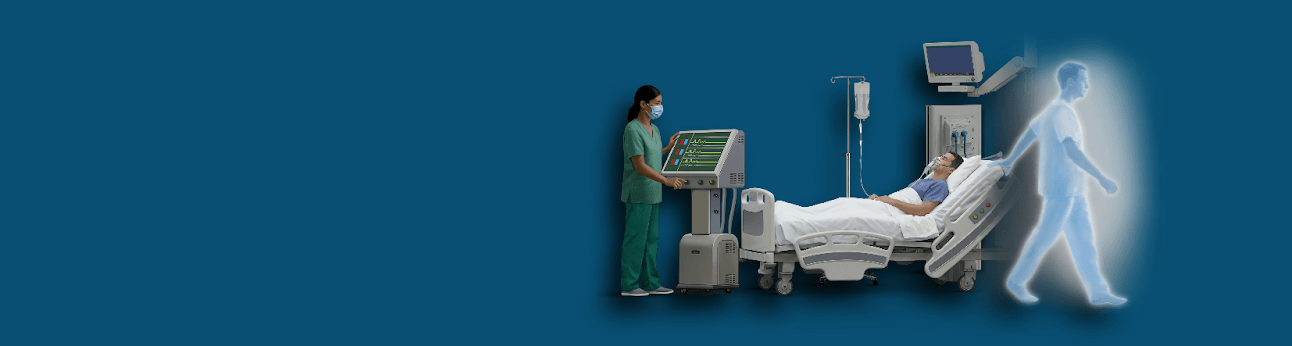
Given the education, training, and career arc of a CRNA, you’ve most likely seen a patient die or one who came close to dying experiencing a “clinical death” while under your care. During your early career in the ICU or some other critical care environment, you’ve cared for patients in extremis, either from their comorbid state, trauma, or the natural, inexorable progression towards end-of-life.
The death of a patient might have been observed for a variety of inevitable reasons: an ASA IV or V patient undergoing a high-risk surgery or severe trauma from an accident, perhaps even one that was self-inflicted. There may also have been an anesthesia care-related cause, which is increasingly rare due to various technological and patient safety protocol improvements. But what about the patients who have had near-death experiences (NDEs), those who appear to have died, or nearly so, saved by heroic or otherwise inexplicable reasons?
We vividly recall patients to whose bedsides we were urgently called following cardiac arrest, respiratory arrest, profound cyanosis, or life-threatening cardiac arrhythmias. Having placed a tube, then offering up aliquots of life-sustaining gas, our eyes sometimes met the open gaze of our patient below us, their eyes suspended in a state somewhere between living and dying, not knowing how the event would end.
Near-death through the lens of an accomplished actor
When we think of Jeremy Renner, several films immediately come to mind. American Hustle, The Hurt Locker, and Mission Impossible: Ghost Protocol, just to name a few. At his Nevada home in the wake of an epic snowstorm in January 2023, he was crushed while operating a 14,000-pound Snowcat as he reacted to an event that put his young nephew in danger. With dozens of broken bones, crushed internal organs, and an eyeball lying on his cheek that he could see with the other, breathing became entirely purposeful and no longer automatic, as he forced air in and out of a crushed chest. All of this transpired as things were shutting down. In the wake of this horrific trauma, lying in the snow and near death, he experienced what he termed an “exhilarating peace,” and “heard” family and friends—though not present at the accident site—collectively imploring him, from within his nebulous conscious state, to hold on. His entire life was seen all at once, echoing what so many others who experienced near-death have reported.
Renner described an enormous sense of energy as “beautiful, connected energy” and an incredible peace with what transpired. It was reported that he had died for several minutes and was airlifted for care that rescuers deemed futile. What he describes in his memoir finds commonality with that of many thousands of other near-death survivors studied by investigators like Dr. M Pehlivinova at the UVA Medical School, in Charlottesville, Virginia. Like other investigators worldwide, she studies what happens to the brain as death approaches—or when it arrives—but its finality is somehow, often astonishingly, avoided. Imagine, if you will, a precipice of sorts, with unconsciousness or oblivion wavering, but somehow consciousness, or something like it, prevailing.

Existential musing or science, or both?
It seems to be the domain of the philosopher, ethicist, or theologian where an out-of-body experience occurs, as reported by Renner and many others. Yet, with the tools of modern science and systematic, highly trained investigators, we’ve learned that when on that precipice, many report altered time perception, vivid sensations exceeding those felt in usual life, and a compressed review of their lived life. Also common is encountering a vague mystical presence and an intense feeling of peacefulness. Concerning the latter, Renner reported being “pissed off” at his rescuers for pulling him back from the peaceful sensation he was experiencing to the conscious pain and reality of his trauma.
There are studies of NDEs of ICU patients with findings very similar to what we’ve already noted. A widely accepted definition of an NDE in these studies is an episode of disconnected consciousness, characterized by internal awareness despite being completely unresponsive. In each instance, the occurrence takes place in a scenario where there appears to be no chance of survival.
Frequently reported by the ICU patients were altered time perception, vivid sensations that exceeded what they had experienced in normal life, and the emergence of a compressed review of their lifespan to date. Also commonly divulged was encountering a vague, mystical presence, having an “out-of-body experience,” and an intense feeling of peacefulness.
It is very tempting to get metaphysical here, and we will avoid that; instead, we will remain lock-step with objective science. In the CRNAs’ world, “clinical death” occurs when the heart stops, and blood flow ceases to critical organs like the brain. Death of the CNS, that is, “brain death,” follows. While the idea of externally compressing the heart of an animal to generate blood flow was not novel, it wasn’t until 1959 that clinician-scientists at Johns Hopkins, led by anesthesiologist Peter Safar, applied the technique now known as CPR to humans. Formally embraced by the American Heart Association and the Red Cross in 1962, many individuals were revived from “clinical death” before “brain death” ensued. There are well-documented events involving extraordinarily long resuscitation resulting in full recovery.

What the science of near-death experience is revealing
Empirically studying the neurobiology of NDEs, scientists have challenged traditional beliefs about the dying brain, especially the view that consciousness ceases almost immediately with the onset of cardiac arrest. This has potential implications for our current adherence to resuscitation algorithms, which may need to be upgraded.
A highly regarded team at the University of Michigan, led by neuroscientist Dr. J. Borjigin, published work in the Proceedings of the National Academy of Sciences, demonstrating a marked uptick in EEG activity known to be associated with consciousness—gamma activation—in the dying brain. Based on a strong foundation of animal research, Borjigin studied patients who were pre-identified as being at risk for cardiac arrest. In those whose hearts stopped, he obtained real-time EEG monitoring throughout their demise. All were comatose, unresponsive, and then removed from life support with their families’ permission. When support was discontinued, some individuals experienced a surge of gamma wave activity, which is known to be associated with consciousness. The activity was observed in the “hot zone of neural consciousness,” a term widely used by investigators in the domain. The small sample size necessitates studying this in a much larger set of ICU patients with grim prognoses, which is planned.
Consciousness is often described as having three dimensions: wakefulness, internal awareness, and connectiveness with the outside world. Consider for a moment what we are learning about NDEs and what we know about ketamine anesthesia. Both have extremely low wakefulness and connectedness but significant internal awareness. Hallucinations, meditation, and even fainting may involve high internal awareness but with low wakefulness and connectedness. What form(s) of consciousness emerge with NDEs?
Studying NDEs is ideal for what epidemiologists term a “natural experiment.” Many investigators interested in how the brain and consciousness work use psychedelic drugs and other manipulations. NDEs provide a life occurrence that might reveal the fundamentals of our consciousness, how we maintain it, and how it might be lost. Such “natural experiments” are insightful because when you disrupt or imbalance a system, you can learn a great deal about how it functions at the granular level.
A lot for us to think about, with more questions than answers to ponder. But this is precisely how science works, and with its worldwide attention by an eclectic cadre of investigators and muses, answers to complex questions will emerge, illuminating a currently dim landscape. Studying NDEs may inform resuscitation guidelines, deepen our understanding of how the mind works, unravel the mysteries of consciousness, and prompt us to think more deeply about the enigmatic nature of our existence.
We’re CRNAs ourselves, and we understand the challenge of fitting CRNA continuing education credits into your busy schedule. Whenever you’re ready, we’re here to help.

Article Summary: CRNAs must earn pharmacology CE credits as part of their Class A requirements under the NBCRNA’s MAC program. This article breaks down why pharmacology education matters and highlights the APEX Anesthesia courses and bundles that qualify, making it easier to choose the right CE path
With new medications, guidelines, and drug interactions, every practicing Certified Registered Nurse Anesthetist (CRNA) needs to fulfill their continuing education (CE) pharmacology requirements.
If you’re a CRNA who needs an easy, convenient way to complete your Class A credits for maintaining your certification, all APEX Anesthesia CRNA courses include pharmacology content, ensuring you meet your requirements efficiently.
Why Pharmacology CE Credits Matter for CRNAs
The National Board of Certification and Recertification for Nurse Anesthetists (NBCRNA) introduced the new Maintaining Anesthesia Certification (MAC) Program in 2025, and by 2026, all CRNAs will be enrolled. Replacing the Continued Professional Certification (CPC) Program, the MAC Program requires CRNAs to complete:
- The MAC Check: A longitudinal assessment designed to track a CRNA’s progress and performance over time.
- MAC Ed: 60 Class A credits earned through online courses, workshops, or other activities approved by an accredited organization.
- MAC Dev: 40 Class B credits earned for professional development activities such as teaching, publishing, research, and more.
CRNAs must continue learning to practice patient safety, comply with guidelines, and administer anesthesia confidently. That’s why CRNAs often earn pharmacology CE credits along with their Class A credits.
MAC Ed (Class A) credits must be earned through activities that have prior approval from the following accredited organizations: the American Association of Nursing Anesthetists (AANA), the American Nurses Credentialing Center (ANCC), or the Accreditation Council for Continuing Medical Education (ACCME). APEX Anesthesia’s online CRNA courses are all approved by the AANA and contain pharmacology content, making them eligible to count toward your 60 required credits.
Which APEX Courses Offer Pharmacology CE Credits
CPC Core Module
Our CPC Core Module course includes an Applied Clinical Pharmacology module and is officially recognized by NBCRNA. Upon completion, you’ll earn 23 Class A credits and 8 pharmacology credits.
Back to Basics
Back to Basics is the best if you prefer to choose your learning path. It covers key pharmacology and therapeutics topics and offers 70 Class A credits and 15 pharmacology credits.
CRNA Updates Vol. 1–5
CRNA Updates has clinically relevant articles and audio, and each volume includes pharmacology updates. There are 30 Class A credits per volume and a range of 8.5–19 pharmacology credits in total.
CE Mastery Bank
Our Continuing Education (CE) Master Bank features quiz-based learning with rationales and pharmacology content review. You can earn 25 Class A credits and 3 pharmacology credits upon completion.
CRNA Essentials Bundle
This bundle has it all. With 118 Class A credits and 26 pharmacology credits, it combines our Core Modules, Back to Basics, and Mastery Bank courses for comprehensive CE coverage.
MAC Program Bundle
Ideal for meeting your MAC Ed and Dev requirements, the MAC Program Bundle includes our Back to Basics, Updates Vol. 1–4, and Mastery Bank courses. In total, you can earn 215 Class A credits and 71 pharmacology credits.
All-Inclusive Bundle
APEX has you covered for your complete 4-year cycle. Our All-Inclusive Bundle includes all APEX courses with extensive pharmacology content. Earn up to 268 Class A credits and 88.5+ pharmacology credits for your recertification.
How APEX Helps You Meet NBCRNA MAC Requirements
All of our self-paced online courses are AANA-approved and NBCRNA-recognized. Courses are on-demand and designed to fit your busy schedule—access them anytime on desktop or mobile.
Furthermore, we report Class A credits for AANA members, making it easier to fulfill your MAC Ed requirements. We also help CRNAs maintain their certification and stay current in pharmacology and anesthesia best practices with up-to-date content.
How to Choose the Right APEX Course
All APEX courses include pharmacology content, but if you have different needs, we’re here to help you choose the bundle that works best for you!
Need to complete your continuing education requirements quickly? Try our CE Mastery Qbank! Or if you need more comprehensive coverage of topics, check out our CRNA Essentials or All-Inclusive Bundle. On the other hand, if you only need to complete your MAC Ed or Dev requirements, the MAC Program bundle would suit you best.
There’s a bundle for every CRNA. Meet your pharmacology CE and maintain NBCRNA certification with the help of APEX Anesthesia today.

Everything changed overnight might sound like an exaggeration, but when COVID-19 first appeared, that phrase certainly proved true. Hospital routines shifted, their hallways filled with uncertainty, and the entire world had to adjust to a reality no one had lived through before. It was all new, and terrifying, territory.
As the early surge of infections leveled out, a quieter pattern became noticeable – patients who weren’t fully recovering, even weeks and months later. More and more cases of fatigue that felt bone-deep, shortness of breath with routine activity, palpitations, dizziness, and brain fog were found in those whose initial symptoms abated. Symptoms that were expected to last a few days, such as loss of smell and taste, seemed to be lingering on for many patients. Their experiences echoed one another across different ages, baseline health, and preexisting conditions. These scattered anecdotes soon had a name: long COVID.
For anesthesia providers and surgical teams, this shift carried significant weight. If COVID could alter cardiopulmonary and neurologic function long after infection, what did that mean for operative risk? How long should we delay elective procedures? And how do we safely optimize patients whose symptoms don’t fit neatly into established recovery patterns?
Today, long COVID remains a complex, evolving condition – one that requires thoughtful, guideline-informed, and deeply individualized perioperative planning. For anesthesia providers, understanding these risks is so important. Applying updated guidelines, evaluating functional status, and coordinating care across specialities ensures safer outcomes and better patient communication. Especially when recovery remains unpredictable.
This is certainly not just the flu.
How the Latest Anesthesia Guidelines Apply to Patients Recovering From Covid
The American Society of Anesthesiologists (ASA) and the Anesthesia Patient Safety Foundation (APSF) have issued joint statements and updated recommendations that reflect the evolving landscape of perioperative care for patients recovering from COVID-19. These guidelines emphasize a simple yet critical reality: recovery from COVID-19 is not the same for everyone. Some patients return to baseline quickly. Others continue to experience respiratory issues, cardiovascular symptoms, neurological changes, or clotting-related risks for several weeks/months.
Individualizing Surgical Timing After COVID
It’s challenging to provide an official “safe” timeline for every patient – we recognize that it varies significantly and there’s no single definitive answer. Instead, anesthesia providers should look at the full picture:
- Time since infection
- Severity of the initial illness
- Lingering symptoms (fatigue, dyspnea, tachycardia, cognitive changes)
- Functional status
- Comorbidities (especially cardiopulmonary disease, obesity, OSA)
- Urgency of the surgery
Elective cases should ideally wait until the patient feels well, shows stable functional capacity, and no longer has active symptoms that raise concern.
Key Criteria from Anesthesia Organizations
The ASA/APSF guidance encourages teams to:
- Confirm the patient is no longer infectious.
- Ensure adequate recovery time has passed, with many patients benefitting from a delay of at least 2 weeks, and in some cases up to 7 weeks.
- Evaluate persistent symptoms carefully, especially in instances of dyspnea, chest pain, or exercise intolerance.
- Make decisions jointly with the patient, surgeon, and anesthesia team.
- Consider additional evaluation or specialist input in scenarios where symptoms persist.
Checklist for Providers
The following questions provide a straightforward method to confirm that the patient is sufficiently recovered to safely undergo anesthesia.
- Is the patient symptom-free or improved?
- Has their functional status returned to baseline?
- Are respiratory and cardiovascular symptoms stable?
- Is this an elective or time-sensitive case?
- Is input required from pulmonology, cardiology, or primary care?
Common Scenarios and Decision-Making
How you apply the guidelines will vary depending on the type of procedure and the urgency of the case. Here’s how to approach the most common scenarios:
- Elective cases: delay if symptoms persist or functional capacity is reduced.
- Time-sensitive procedures: use enhanced pre-op evaluations, risk mitigation, and multidisciplinary planning.
- Urgent/emergent surgeries: proceed, but anticipate increased perioperative risk and plan anesthesia and postoperative monitoring accordingly.
When Is It Safe to Schedule Surgery After a COVID Infection?
Determining the right timing for surgery after a COVID infection isn’t as simple as counting weeks. So, what’s the right way to decide when to operate?
What the Evidence Says About Post-COVID Surgical Risk
Early data from the COVIDSurg Collaborative – the largest international cohort evaluating perioperative risk after COVID – found significantly increased complications when surgery occurred within the first 6 weeks of infection. These increased risks included:
- Pulmonary complications
- ICU admission
- Thrombotic events
- Increased 30-day mortality
The study found that risks returned closer to baseline after 7 weeks, but only for patients without persistent symptoms.
Assessing Functional Status and Symptom Burden
Sure, understanding the time since infection is helpful, but it doesn’t provide the entire picture. It’s the functional status you really want to assess.
Movement tolerance: Can the patient walk or climb stairs without unusual symptoms?
Breathing: Do oxygen levels stay steady with light activity?
Symptom response: Does activity cause fatigue, dizziness, rapid heart rate, or a “crash” afterward?
Cognition: Are they still experiencing brain fog or trouble focusing?
If everyday activity is still difficult or triggers symptoms, the patient may not be ready for surgery – even if enough weeks have passed.
Working With Patients Who Need Earlier Surgery
When surgery cannot be deferred:
- Optimize lung function (inhalers, respiratory therapy)
- Manage tachycardia or autonomic dysfunction
- Consider cardiac evaluation
- Use regional anesthesia when appropriate
- Plan for enhanced postop monitoring
- Document shared decision-making thoroughly
Making Preoperative Assessment Work for Patients With Lingering COVID Symptoms
Patients with long COVID often present with symptoms that come and go, vary in intensity, or flare with exertion. Because of this, the preoperative assessment needs to be more detailed than the standard review.
Crafting a Detailed Symptom History
A structured history should explore:
- Onset and pattern of symptoms
- Changes in daily activity tolerance
- Dyspnea, chest discomfort, tachycardia, dizziness
- Cognitive symptoms or sleep disruption
- Any complications during acute infection
What Tests and Consultations to Consider
Testing should be targeted and clinically driven:
- Pulmonary: PFTs or imaging for persistent dyspnea
- Cardiology: ECG, echo, or stress testing when indicated
- Vascular: D-dimer or imaging if the risk of embolic phenomena is suspected
- Neurology: For significant cognitive or neurologic symptoms
- Rehabilitation: When pacing or conditioning guidance is needed
Documenting and Communicating Findings
Clear documentation supports better perioperative planning:
- Summarize symptoms and functional status
- Highlight concerning findings
- Document rationale for timing decisions
- Ensure all specialties share the same information
Addressing Mental Health
Bringing a Multidisciplinary Approach to Long COVID Care: Why Teamwork Matters
Long COVID rarely affects just one system, and symptoms often overlap in ways that make perioperative planning more complex. Because of this, involving multiple specialties helps build a clearer picture of the patient’s overall health.
Roles of Different Specialties in Managing Risk
- Pulmonology: Helps determine stability of breathing and postoperative monitoring needs.
- Cardiology: Evaluates tachycardia, dysautonomia, or chest symptoms.
- Neurology: Assesses cognitive or autonomic issues affecting anesthesia planning.
- Primary Care: Provides longitudinal symptom and medication history.
- Rehabilitation Specialists: Guide pacing, energy conservation, and conditioning.
Coordinating Perioperative Care
Effective coordination may include:
- Early interdisciplinary conversations
- Aligning on surgical timing
- Unified patient messaging
- Postoperative care planning and monitoring
Supporting Clinicians and Perioperative Teams
Caring for patients with long COVID requires time, attention, and clinical nuance. It comes at a moment when many anesthesia professionals are still carrying the weight of the pandemic years. Studies show a sharp rise in burnout and disrupted sleep among anesthesia providers, with work-life integration at historic lows. The APSF has also highlighted ongoing compassion fatigue in the post-COVID era, emphasizing supportive work environments.
Setting Realistic Recovery Expectations and Communicating with Long-COVID Patients
Clear communication is essential when symptoms fluctuate. Patients want to understand surgical risks, expected recovery, and why timing matters.
How to Discuss Risks and Outcomes
Conversations should be:
- Honest but reassuring
- Clear about what evidence shows (and doesn’t)
- Focused on steps taken to minimize risk
Shared Decision-Making in Uncertain Situations
Because evidence continues to evolve:
- Acknowledge uncertainty
- Outline all options
- Discuss benefits and risks of delaying surgery
- Encourage questions and patient involvement
Preparing Patients for Recovery and Follow-Up
- Possible fatigue or symptom flare-ups
- Pulmonary hygiene
- Hydration and mobility
- When to seek medical attention
- Need for specialist follow-up

